About EES
EES has identified the need for a more sustainable path forward for executives and their support teams — where executive overload and overwhelm are treated as preventable instead of inevitable. Our approach is simple: help executives reclaim wasted time and energy by building high-performing executive support teams through customized training, coaching, AI-enabled workflows, and partnership activation packages.
When executive support systems improve, everybody wins. Executives gain space to think, lead, and operate at their best. Support team members receive clearer guidance and are empowered to grow their capabilities. And the organization gets an executive with greater capacity, backed by a high-performing system designed to keep them focused on the work that actually shapes the organization's success and direction.
Our Mission
Enhance executive performance by unlocking the full potential of the Executive Support System…
What makes EES different?
System, Not Self
We take the burden of change off of the individual executive and instead focus on fixing the toxic work environment that drains executive time and energy.
Activating Existing Resources
Most companies already have the technology and people they need to improve executive performance. We activate them effectively.
Executive-Initiated, Partnership-Driven
Without executive buy-in, nothing changes. We require ongoing commitment and engagement from our executive clients. Systems focus does not mean support team-only.
Talk is Cheap
We believe talk (and training) is cheap without technology, tools, and partnership processes to back it up. No settling for certificates of completion, we want actual impact.
By Support Teams, For Support Teams
We’ve done this work and understand that executive support roles are some of the most challenging jobs in the corporate world. Mutual benefit is our goal for exec and support.
Unlock the Power of AI
Most executives and support teams know AI could save them time. Few know where to start. EES makes it easy to put AI to work across high-priority workflows.
Our Model
The EES model hinges on the successful implementation of a Strategic Support System for executives. A Strategic Support System has three key components: an executive who clearly defines and communicates the type of support they need, a support team member who is appropriately trained, and a well-defined operating routine that ensures consistent, on-time deployment of support.
WHAT YOU NEED


Support needs that are clearly defined and communicated

Appropriate training

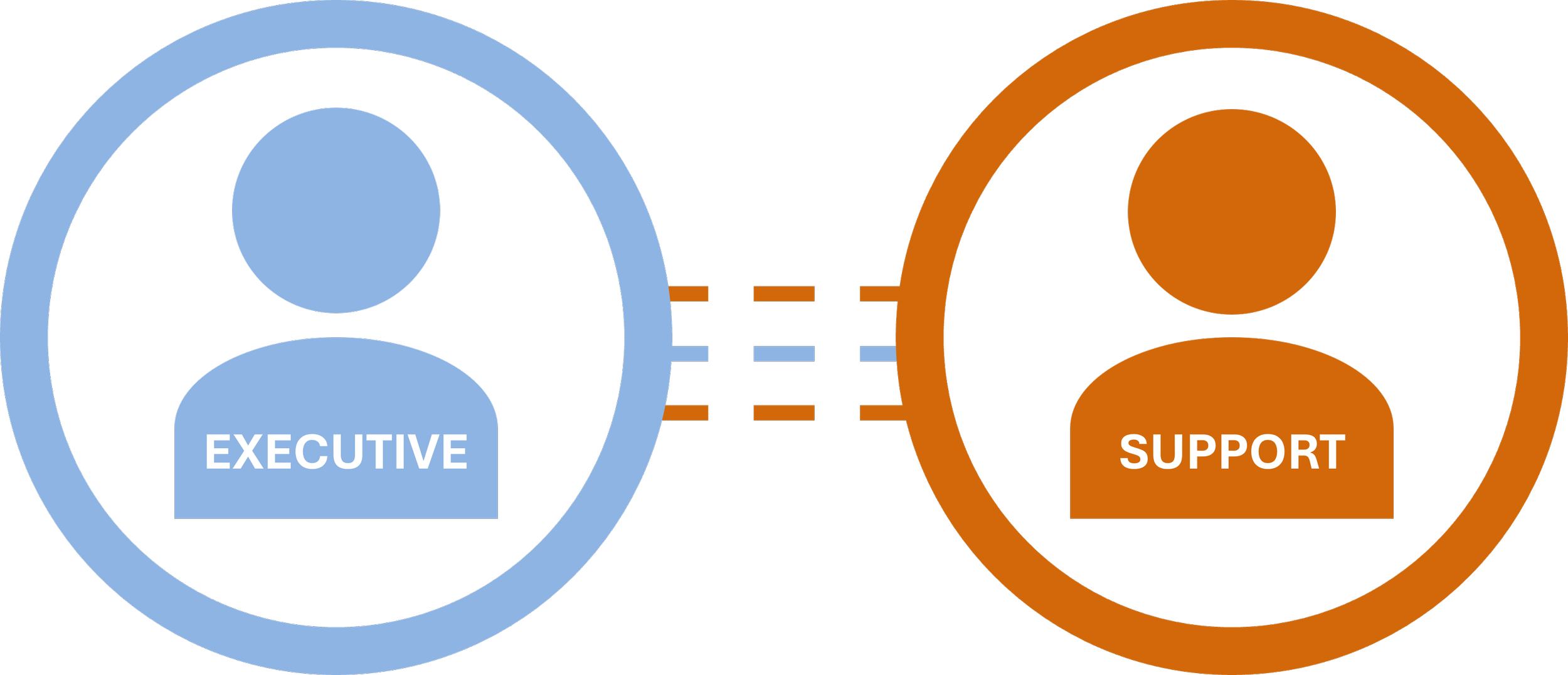
Meetings and processes that facilitate predictable deployment of support and regular connection
WHAT YOU (TYPICALLY) GET
Most executives rely on ad hoc requests without defining the scope of the role
Most Assistants and/or Chiefs of Staff receive NO formal training…
Cancelled check-in meetings, inconsistent delegation, reactive support, and mutual frustration…
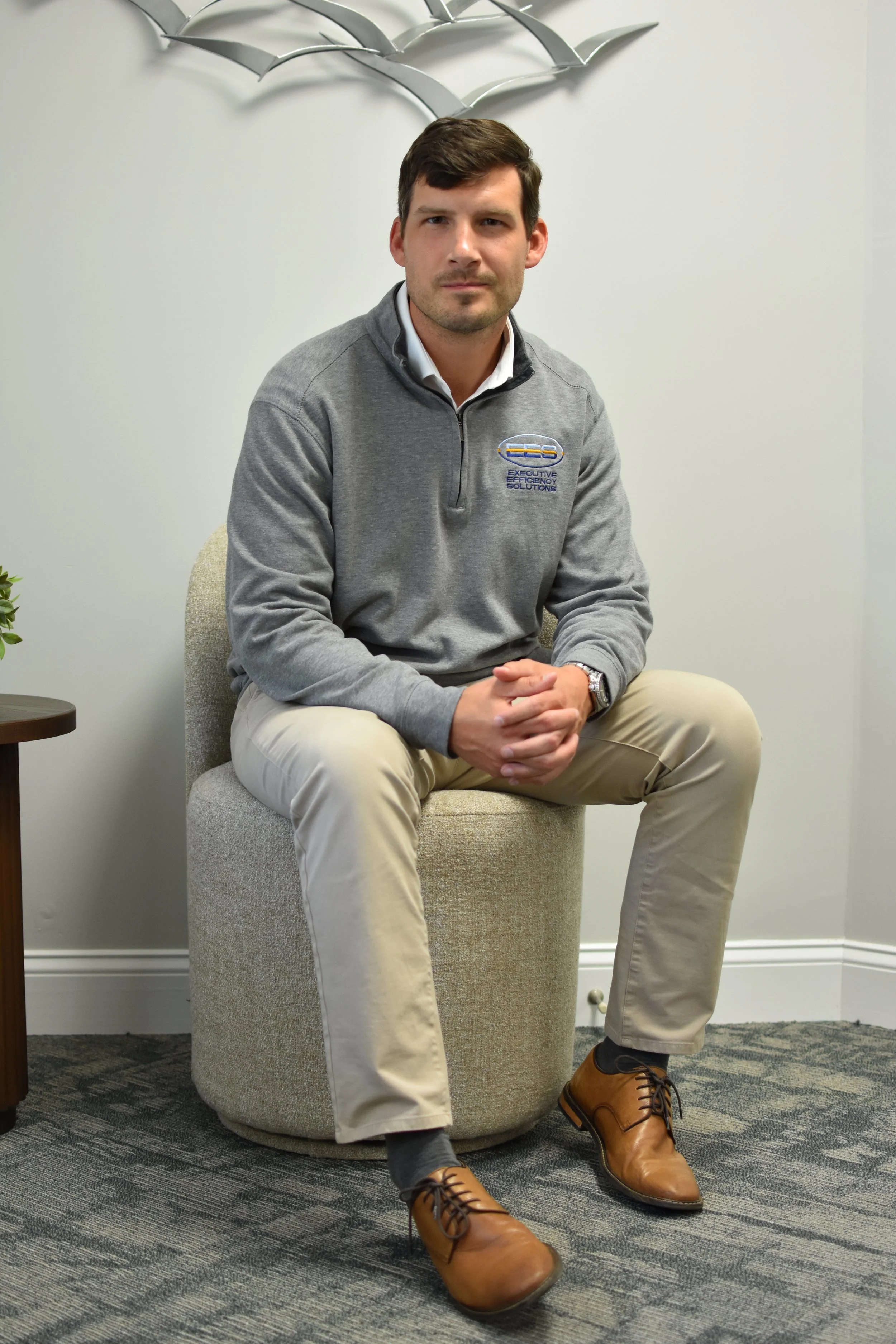
Our Founder:
Brett Phillips, MPH, PMP has spent his career supporting top executives at large and innovative companies across the United States.
Brett served as Chief of Staff to Manny Lopes (then President & CEO of East Boston Neighborhood Health Center) during a period of immense growth at one of Massachusetts’ largest health systems, which included navigating the COVID-19 pandemic in the Greater Boston Area’s most impacted regions. Following his time in Boston, Brett spent several years in top Strategy positions at San Ysidro Health and San Diego PACE in San Diego, CA, supporting executive leadership teams at the nearly $1B health center and senior care organization at the forefront of Southern California’s healthcare safety net.
Brett’s work is grounded in the belief that executive performance is shaped not just by individual capability, but by the systems, support structures, and environments surrounding leadership. Drawing from his background in public health, psychology, executive strategy, training and development, and operations, Brett brings a multidisciplinary approach to helping executives and their support teams operate at a higher level.
Brett holds a Master of Public Health degree in Health Services Management & Policy from Tufts University in Boston, MA (where he also received undergraduate degrees in Psychology and Public Health). During his time as an undergraduate at Tufts, Brett served as captain of the football team during the program’s historic turnaround from an NCAA-record losing streak to perennial championship contention. Brett retains a Project Management Professional (PMP) certification and has extensive experience in corporate communications, strategy implementation, operational improvement, and change management.
Brett lives in Massachusetts with his wife, Brooke, and his 2-year-old Yellow Lab, Wilson.